







Search Results for: homemade cold brew
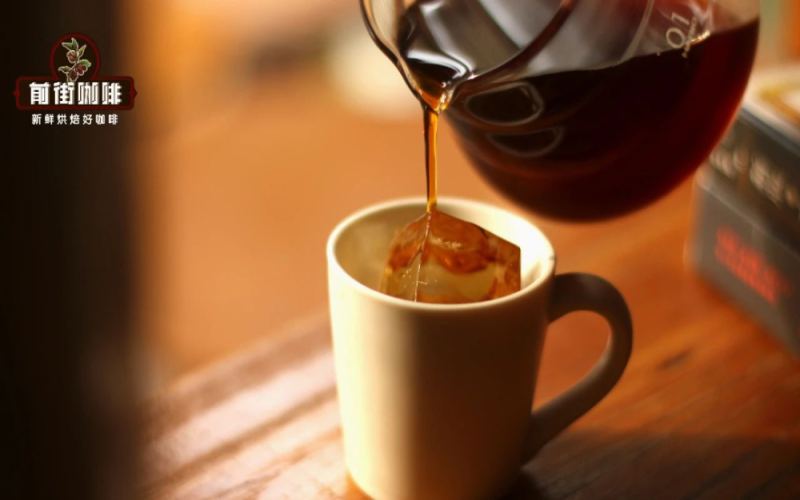
Cold Brew Coffee | How long can homemade cold brew coffee be stored? What is the flavor and mouthfeel of cold brew? Single-origin coffee bean recommendations for a cold brew with pronounced fruity sweetness
Cold Brew Coffee is exactly what it sounds like. Put ground coffee into room-temperature water, let it steep and extract for 12 hours, then filter out the grounds—what's left is cold brew coffee. Compared with regular hot-brewed coffee, it has a noticeably stronger coffee taste, less bitterness, and a smoother mouthfeel. [more…]
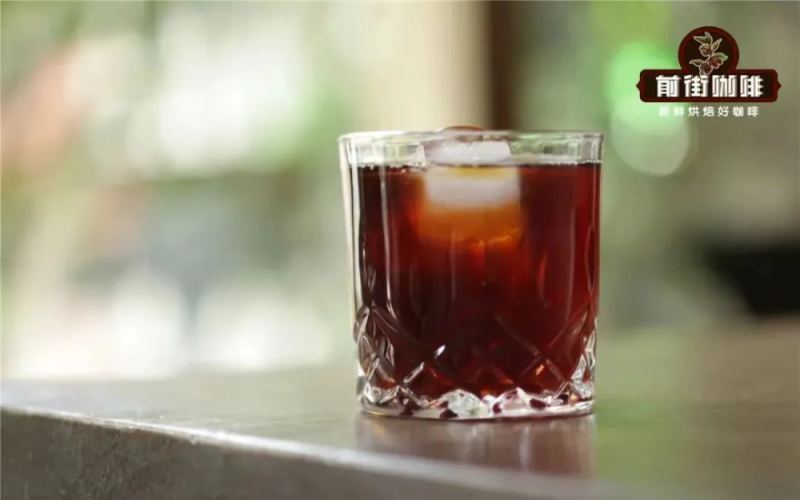
Homemade Iced Coffee | How to Easily Make Delicious Cold Brew Coffee? Can Cold Brew Be Extracted at Room Temperature? How Long Does Prepared Cold Brew Stay at Its Best?
For professional coffee knowledge exchange and more coffee bean information, please follow Coffee Workshop (WeChat official account: cafe_style). For more specialty coffee beans, please add our private WeChat: Front Street Coffee (FrontStreet Coffee), WeChat ID: qjcoffeex. Under the scorching weather [more…]
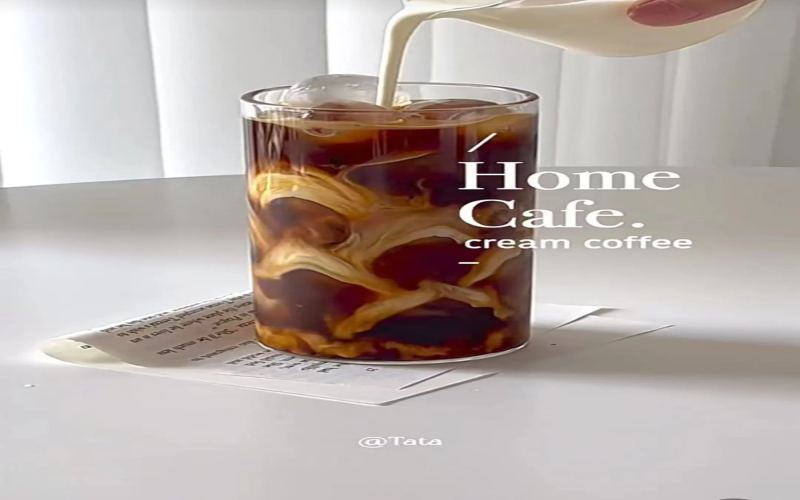
Can you easily make trendy coffee at home? Analysis of Xiaohongshu viral homemade coffee preparation ideas and trends
In recent years, the popularity of homemade coffee on social platforms has continued to climb. From Xiaohongshu to Douyin, related topics have reached view counts in the hundreds of thousands. From the earliest simple recreations of coconut lattes, to richly layered fruit-infused specialty drinks, and then to wildly imaginative creative twists, netizens keep reinventing the way coffee is enjoyed. Why has homemade coffee gone viral so quickly? And what impact has it had on coffee shops? This article will sort through the evolution of popular homemade coffee on Xiaohongshu, analyze the shifts in consumer habits and cost advantages behind it, and explore the relationship between homemade coffee and the professional path of coffee shops. At the same time, the article also retains relevant information about brands such as Front Street Coffee for coffee enthusiasts to reference and discuss. [more…]
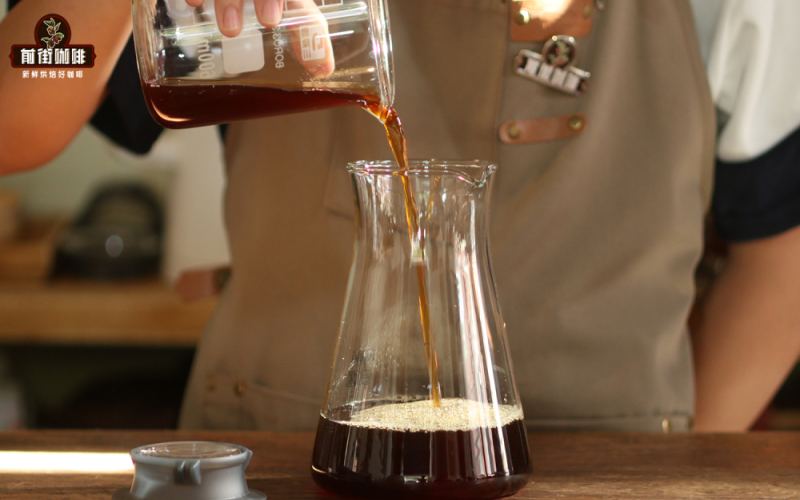
Homemade Cold Brew Step-by-Step Guide | What is the difference between room-temperature-steeped and cold-steeped cold brew coffee? How should the flavor characteristics of cold brew coffee be described?
For more specialty coffee knowledge, please follow our WeChat official account: FrontStreet Coffee. As soon as summer arrives, cold brew coffee becomes the hottest topic of conversation among coffee lovers, with everyone sharing their tips for making cold brew. Why has cold brew coffee become so popular in recent years? [more…]
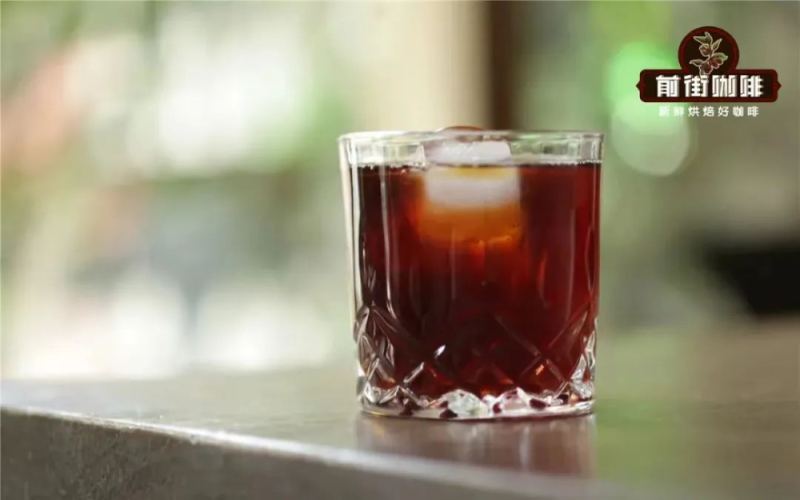
Homemade Iced Coffee | What's the Difference in Taste Between Cold Brew Coffee and Ice Drip Coffee? What Are the Key Points for Making Ice Drip and Cold Brew? What Is the Coffee-to-Water Ratio for Ice Drip and Cold Brew?
In recent years, cold brew coffee and ice drip coffee have won huge favor among coffee consumers! Especially in summer, the ice drip/cold brew coffee in coffee shops becomes the "king of kings" among iced coffees! One reason is that it has a mouthfeel that iced pour-over coffee/iced Americano coffee cannot replicate, and another is that its production time is long, [more…]
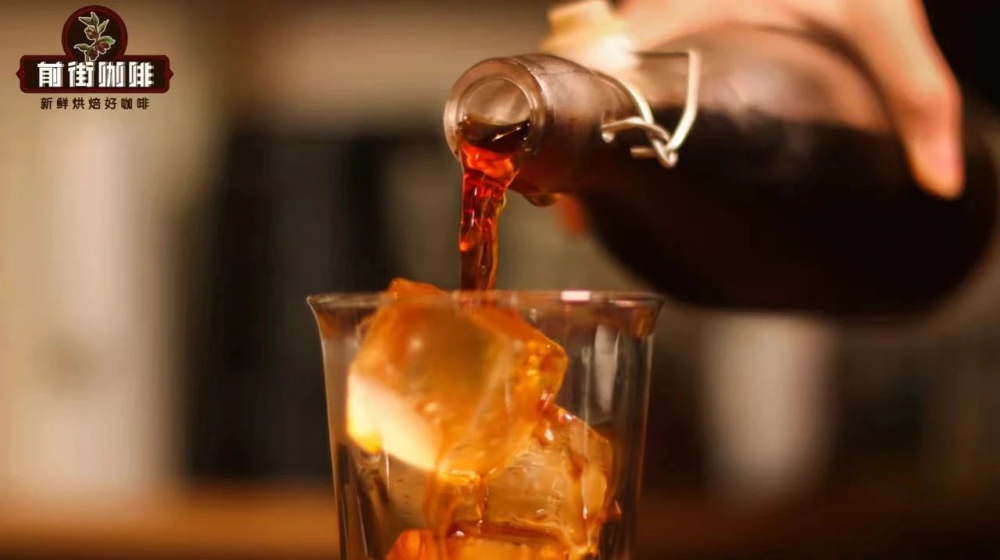
Homemade Cold Brew Coffee Guide | What Is German Iced Coffee? How Do You Make Italian Iced Coffee? Which Pour-Over Coffee Beans Are Suitable for Cold Brew Iced Coffee?
For more specialty coffee knowledge, please follow: FrontStreet Coffee In different European countries, iced coffee is also different! Some add ice cubes to hot coffee, some add ice cream to hot coffee, and some use cold water immersion extraction. For example, in the United States, the basic pairing [more…]
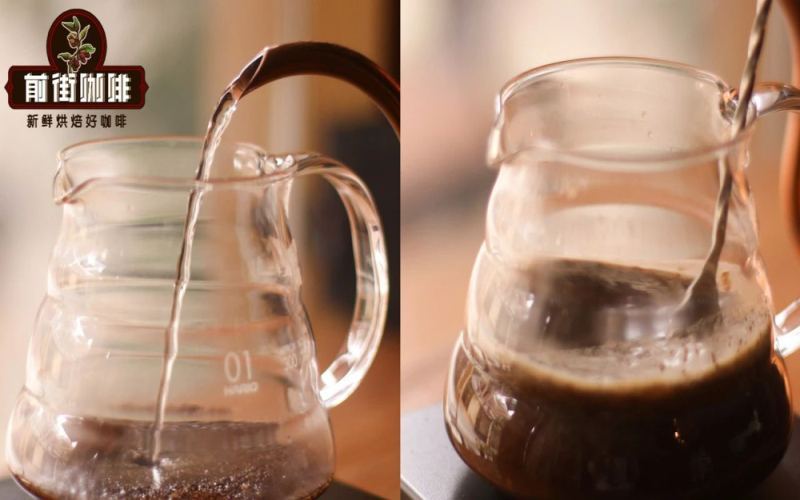
How to Make a Latte Without a Coffee Machine: A Complete Guide to Easy Homemade Cold Brew Milk Coffee
Want to enjoy a silky, smooth latte at home but don't have an espresso machine? In fact, with just a few simple steps and a long, low-temperature steep, you can make a full-bodied, guilt-free cold brew milk coffee. This article breaks down the principles of milk brew coffee in detail, explaining why low-temperature extraction avoids bitterness and preserves aroma, and walks you through choosing beans and milk, along with specific coffee-to-milk ratios and steeping times. From gathering ingredients to the lazy version of the method, plus tasting and storage tips, this covers everything so you can easily achieve latte freedom at home. [more…]

The History of Cold Brew Coffee | What Types of Coffee Beans Should You Use for Homemade Cold Brew Coffee? What Are the Coffee-to-Water Ratio, Extraction Time, and Grind Size Parameters for Cold Brew?
For more specialty coffee knowledge, please follow our WeChat official account: Front Street Coffee (FrontStreet Coffee). In the coffee industry, iced coffee is extremely popular, especially in the hot summer, when its popularity feels like fans surrounding their idol. So, speaking of iced coffee, [more…]
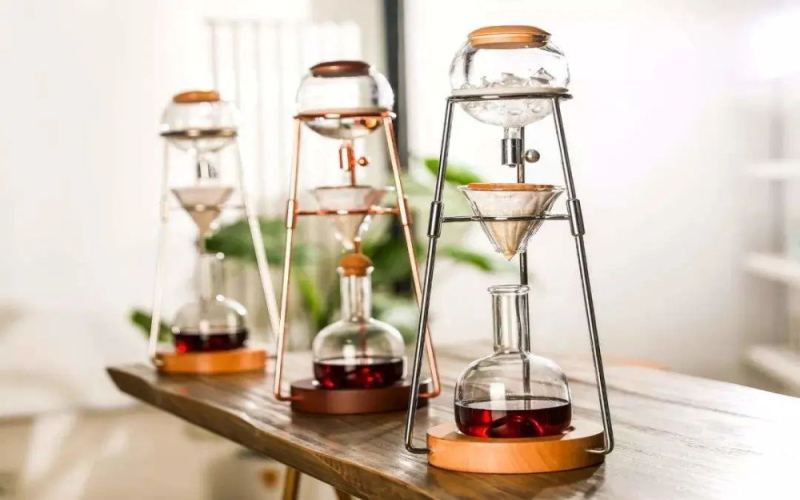
Home-made Cold Brew Coffee: A Complete Guide to Simple Equipment and DIY Methods
On a scorching summer day, a glass of cold brew coffee is a favorite for many coffee lovers. Traditional cold brew towers are not cheap, yet they are often used infrequently, so netizens have started to brainstorm and build all kinds of "DIY cold brew" contraptions using everyday items like filter cups, drip bags, and mineral water bottles. This article rounds up several of the most representative simple home cold brew setups: from stacking filter cups, to converting drip coffee bags, to combining moxibustion racks with plant-watering nozzles—each one showcases the creativity and dedication of coffee enthusiasts. Although these homemade devices are not as precise as professional cold brew towers, they make up for it with low cost, plenty of fun, and the joy of drinking iced coffee you extracted yourself. If you'd also like to try cold brew at home, you might as well take inspiration from these ideas and use the objects around you to start a low-temperature extraction experiment. [more…]
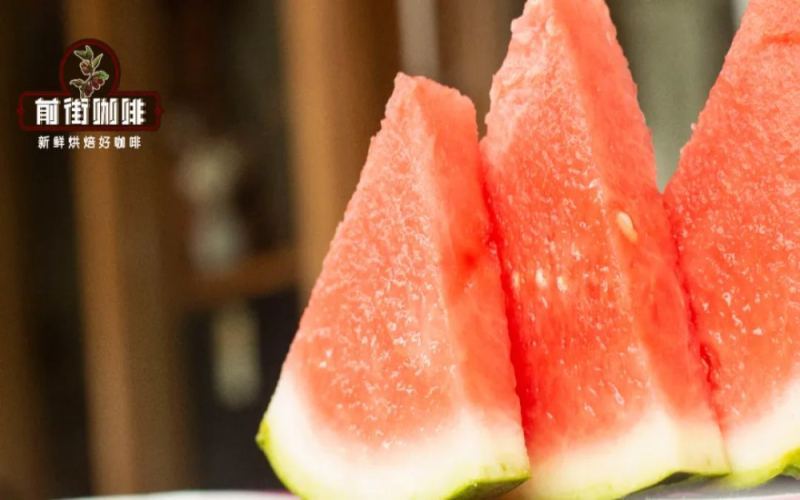
Can Watermelon and Coffee Be Enjoyed Together? A Detailed Guide to Three Homemade Watermelon-Style Iced Coffee Drinks
On a scorching summer day, the pairing of watermelon and iced coffee is all the rage. Front Street Coffee found that juicy watermelon pairs far better with crisp black coffee than with milk, so they put together three watermelon mix-and-match options: watermelon sparkling Americano, watermelon cold brew coffee, and watermelon iced pour-over. From melon-picking tips and material preparation to detailed steps, Front Street breaks down the key points for making each drink one by one, including using Warm Sun Blend to make the sparkling Americano, Colombia · Rose Valley cold brew paired with freshly squeezed watermelon juice, and the complete parameters for making iced pour-over with Sidamo · Elto combined with frozen watermelon juice cubes. Each of the three methods has its own merits—there are simple, quick everyday versions, and more advanced approaches that require preparing ingredients in advance—making them suitable for coffee lovers to try their hand at during the hot weather. [more…]
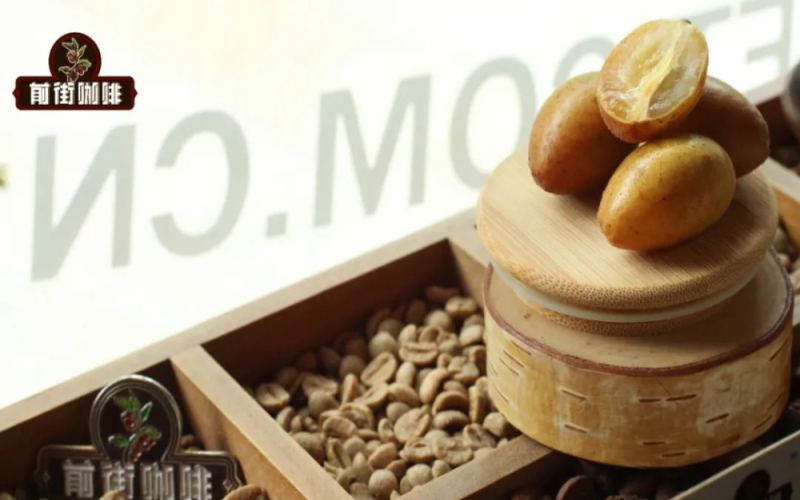
How to Make a Delicious Wampee Iced Americano? Three Special Recipes: Sparkling, Jasmine Tea, and Preserved Plum Iced Shake Detailed Tutorials
In the height of summer, wampee, a niche southern fruit, has become a popular partner for homemade iced coffee thanks to its sweet-and-sour juiciness and uniquely fresh aroma. Through repeated testing, Front Street Coffee has put together three distinctly different wampee iced americano recipes: the original wampee sparkling americano uses sparkling water to amplify the fruit aroma and add a more refreshing layer; the jasmine tea wampee americano blends homemade jam with a cold-brewed tea base for a soft fragrance; and the wampee preserved plum iced shaker americano targets those who dislike sweetness, using preserved plum water and a shaker to create a sugar-free version. All three recipes use Front Street Sunflower Warm Sun espresso blend, extracting 40g of coffee liquid from 20g of grounds in 31 seconds. Below, we break down the ingredients, steps, and production details one by one to help you find the cup that best suits your taste. [more…]
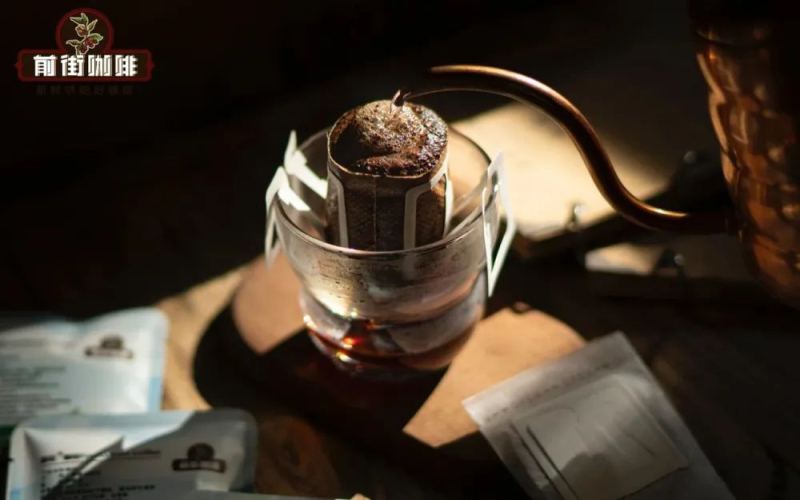
How to choose the grind size for pour-over coffee? How many grams of grounds should go into each homemade drip bag?
More and more people are starting to drink pour-over coffee, but busy daily life makes drip bags a compromise choice. Buying ready-made drip bags is convenient, but the aroma fades quickly; buying beans and grinding them fresh to make your own locks in more flavor and saves you from worrying about them going stale. This article is for friends who want to make their own drip bags at home. It first breaks down how coarse pour-over coffee beans should be ground—what sieve passing rates and EK43s and C40 settings correspond to light-medium roasts, medium-dark roasts, and dark-roast espresso beans—then uses Yirgacheffe Red Cherry as an example to demonstrate, and finally explains in three steps the 10g-per-packet portioning, sealing, and storage method, with reference to several Front Street Coffee drip bag flavor profiles. [more…]

No Ice Drip Pot Needed: Homemade Ice Drip Coffee Tutorial and Cold Storage Duration Guide
In hot weather, a glass of cold brew coffee always brings a refreshing coolness. Front Street Coffee's cold brew has recently been in short supply, and many people choose it not only because its flavor differs from ordinary iced coffee, but also because they feel they can't make it at home. In fact, with just a dripper, a few filter papers, ground coffee, and ice cubes, you can put together a simple "home-version cold brew tower." This article breaks down in detail the equipment, parameters, operating steps, and common mistakes of this method, while also explaining the extraction impact caused by the structural differences between a dripper and a cold brew tower, and providing a list of Front Street beans suitable for making cold brew. Finally, it will also explain how long cold brew coffee needs to be refrigerated and fermented after it is formed, as well as how long it can be stored under refrigeration and at room temperature respectively. [more…]
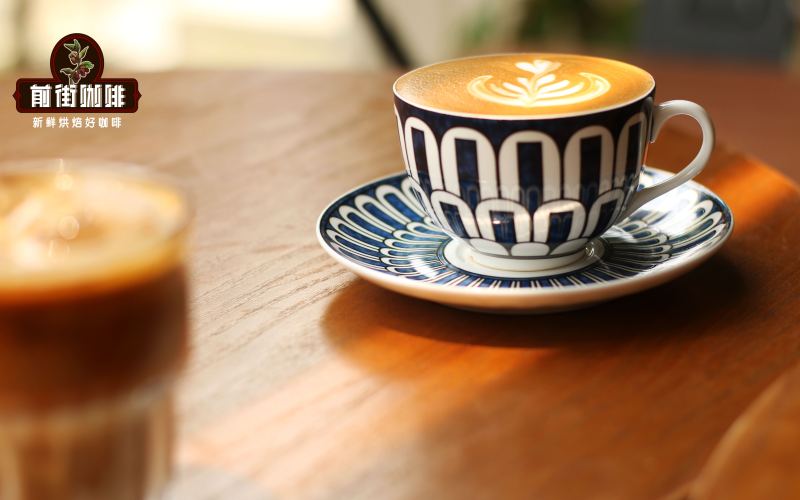
Homemade Latte Recipe | What Is the Origin of Latte Coffee? What Are the Differences in Taste and Mouthfeel Between Hot Latte, Iced Latte, and Dirty Coffee?
Latte is a transliteration of the Italian word Latte. Latte coffee refers to coffee made by mixing a certain proportion of milk into espresso, and is a type of fancy coffee. The original latte coffee originated in Vienna, the city of music. Viennese people began drinking coffee in the 17th century, when the Turkish army attacked [more…]
Homemade Latte Recipe | Did Latte Originate in Italy? What Is the Espresso-to-Milk Ratio for Making a Latte?
Latte originates from the transliteration of the Italian word "Latte." Latte coffee refers to coffee made by mixing a certain proportion of milk into espresso, and it is a type of fancy coffee. The original latte coffee originated in Vienna, the city of music. The Viennese began drinking coffee in the 17th century, when the Turkish army attacked [more…]
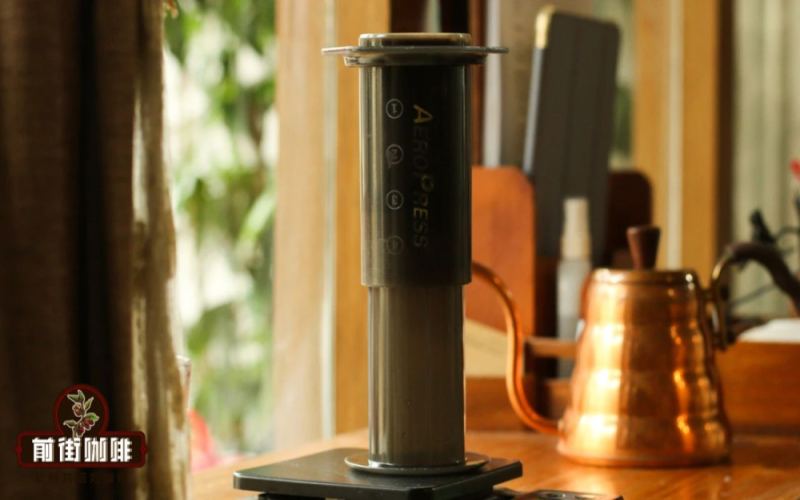
AeroPress Iced Latte: 10-Step Guide to a Rich and Smooth Homemade Version Without an Espresso Machine
Want to drink an iced latte but frustrated by not having an espresso machine? Actually, an AeroPress alone can get the job done. This article breaks down in ten steps how to use an AeroPress to make a high-concentration coffee base, then combine it with cold milk to create a cup of iced latte with a rich, mellow body and balanced sweet aroma. The article also specifically reminds you that to avoid a sharply sour or weak taste, you should prioritize medium or dark roast beans, such as Front Street Coffee Bird of Paradise, Front Street Coffee Queen's Manor, Front Street Coffee Golden Mandheling, and Front Street Coffee Huilan; if you are sensitive to bitterness, you can try the fermented fruity acidity of Front Street Coffee Xizhao, Front Street Coffee Strawberry Candy, or Front Street Coffee Sunflower Warm Sun Blend, which pair even better with milk. Next, follow Front Street Coffee's practical parameters to make a simple yet delicious iced latte step by step. [more…]

Can stainless steel ice cubes be used to cool coffee? A practical test comparing their effect and usability against homemade ice cubes
When drinking iced coffee in summer, it tends to become diluted toward the end, so some people have thought of using stainless steel ice cubes instead of traditional ice. Are these reusable metal ice cubes really suitable for coffee? Front Street conducted an actual comparison test, analyzing the structure of stainless steel ice cubes, their cooling speed, and their impact on flavor. The results show that although stainless steel ice cubes have the advantage of not melting, their cooling effect is far inferior to homemade ice cubes, especially performing poorly in the ice pour-over step. The article also shares a pour-over plan using a mix of the two types of ice cubes, and explores why coffee shops rarely use stainless steel ice cubes. [more…]
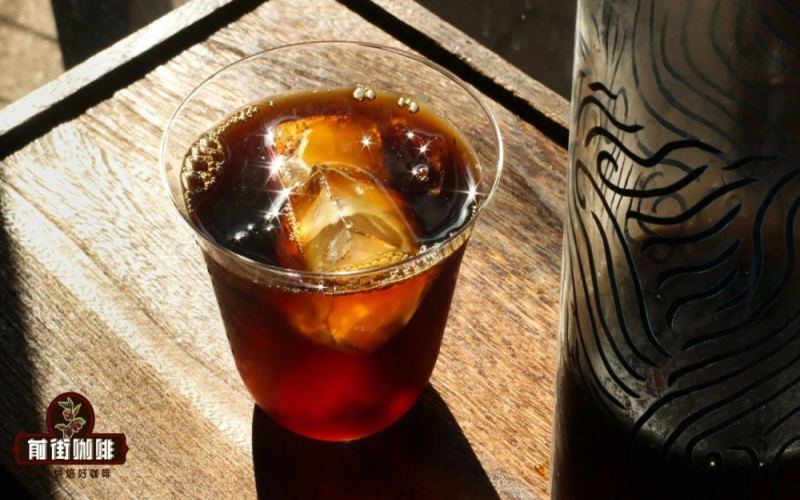
Cold Brew Coffee Bean Selection Guide and Complete Home Brewing Analysis: Practical Tips from Bean Selection to Extraction
On a scorching summer day, do you want to drink a refreshing iced coffee but don't want to go out? Making cold brew at home is actually not complicated. The biggest difference between cold brew and regular iced coffee lies in the low-temperature, long-time extraction, which makes the coffee taste softer, with balanced acidity and sweetness, and can clearly showcase the regional flavors of specialty beans. This article will start from the extraction principles of cold brew, tell you why medium-light roasted single-origin beans are more suitable for cold brew, and recommend three best-selling Front Street Coffee beans: Washed Yirgacheffe, Strawberry Candy Geisha Blend, and Natural Hualkui. Then it will break down key parameters such as coffee-to-water ratio, grind size, and steeping time in detail, and include the complete steps for Front Street Coffee Hualkui cold brew, helping you easily make a cup of full-flavored homemade cold brew. [more…]

Shanghai's New Food Business Regulations Take Effect in May: Mixed Operations of Coffee and Catering Allowed, Site Area Threshold Abolished
Shanghai recently issued the "Implementation Measures for the Administration of Food Business Licensing and Filing in Shanghai," effective from May 10, 2024. The new regulations abolish secondary-category licensing items and support mixed multi-format operations, allowing coffee shops, bars, and others to coexist in the same storefront, while non-catering stores such as bookshops and clothing stores can also apply for a business permit to make beverages on-site. At the same time, "made and sold on-site" has been adjusted to "made and sold on the premises," the 19 business catalog items have been simplified into 4 categories—hot food, cold food, raw food, and self-made beverages—and the 6-square-meter production site restriction has been removed. In response to the long-disputed "smashed cucumber" issue, the new regulations allow a dedicated area only. Whether the policy benefits can activate the market and ensure food safety still needs time to be tested. [more…]
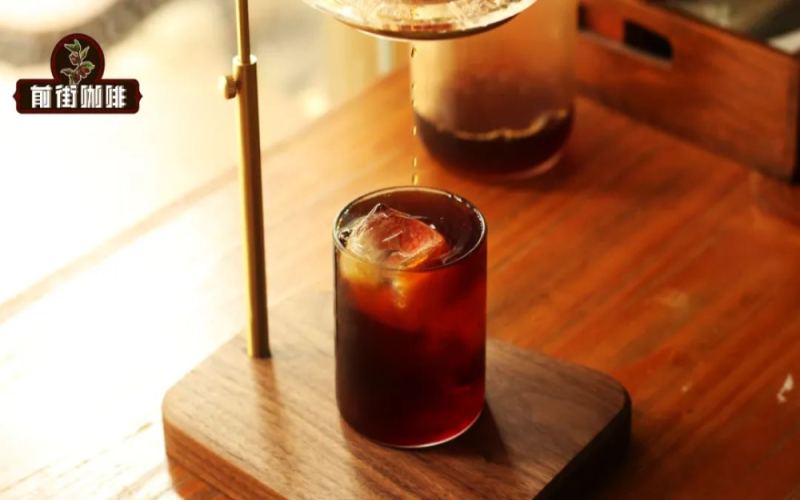
Is Cold Brew Coffee with Milk Good? A Detailed Guide to Cold Brew Coffee-to-Water Ratios and Brewing Tips
On a scorching summer day, iced coffee becomes many people's lifesaving elixir, and cold brew (cold steep) firmly holds the top spot among homemade iced coffees thanks to its simple operation and smooth taste. But many people secretly wonder: can the cold brew they've made be mixed with milk and drunk together? The answer is yes, but if you want the coffee aroma and milky fragrance to both shine, the ratio of grounds, water, and milk must be just right. This article breaks down everything one by one, from bean selection for cold brew, grind coarseness, coffee-to-water ratio, and steeping time, to the golden ratio for adding fresh milk, and also includes a lazy trick for making cold brew with drip bags, so you can easily recreate an iced milk coffee at home that rivals a café's. [more…]